
UPDATES!
The board had thoughtful questions at the public hearing. We responded to clarify our instructional design, staffing, and executive director position with an email; see below.
November 25, staff will give their recommendations.
December 10 will be the last hearing and vote.
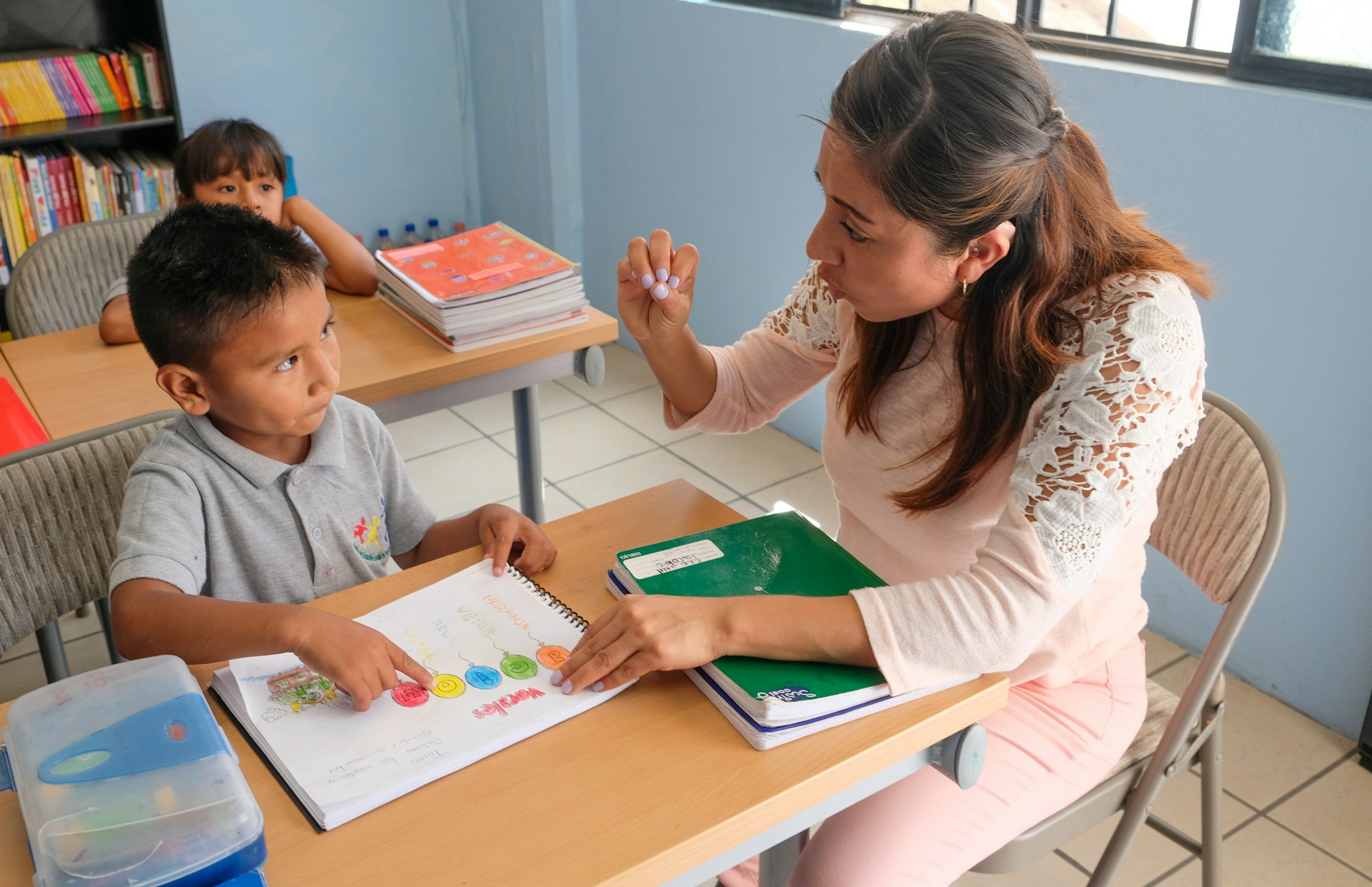
Why this educational model?
Our foundations are based on educational philosophies to reduce barriers, improve learner agency, incorporate student interests, and have fun!!

Proposed Calendar
The school year calendar includes holidays, breaks, and built-in time for teachers to collaborate with specialty staff, plan amazing experiences, and meet with parents. We're also considering shorter Mondays or Fridays, and we know that could be hard for working parents, so we'd offer after-care with hands-on innovation and entrepreneurship project experiences.

Location, Location, Location
The school location has not been chosen, but we are looking at locations for the first year in Morro Bay, near the SLO airport, or closer to downtown SLO. Use the link to the survey below and tell us what YOU want!
Email responseDear Members of the SLCUSD Board of Education:
Thank you for your thoughtful questions during the public hearing on Outside the Box Thinking’s charter petition. I am writing to clarify how OTB Thinking's board proposed public charter school centers the needs of students with disabilities, how our opening-year staffing plan supports that commitment, and how the Executive Director will be selected.
OTB Thinking’s petition places the needs of students with disabilities at the center of school design. Our approach begins with the understanding that students differ in how they learn, communicate, participate, and demonstrate their knowledge. Those differences inform the educational model from the outset. When we remove barriers for neurodivergent learners, we unlock better learning tools for every student.
The curb-cut effect shows that what is necessary for some benefits everyone. Like an accessible entrance designed into a building from the outset, our educational model anticipates access needs rather than treating them as an afterthought.
Universal Design for Learning provides a framework for building flexibility into instruction, materials, participation, and assessment. OTB Thinking is designed to welcome students who are gifted or twice-exceptional; students with ADHD, autism, dyslexia, or other disabilities; and students without identified or suspected disabilities.
This schoolwide approach does not replace individualized special education. Students with IEPs will receive the specially designed instruction, related services, accommodations, and other supports specified in their plans. Our intent is to integrate accessible general education and individualized services within an inclusive school community.
Our proposed opening-year staffing, described in Element 5, page 82, plan provides for 110 students across five classrooms serving grades K-8 with:
Five classroom teachers;
One special education teacher;
A minimum of four paraprofessionals; and
Two specials teachers: one in physical education and a second determined with input from enrolled families and students.
These positions represent a minimum of 12 direct instructional staff members, or approximately one instructional staff member for every 9.2 students. This is a schoolwide staffing ratio—not a class-size figure, special education caseload, or indication that every staff member will be assigned to every classroom throughout the day.
The chart in Element 5, pages 83-84, identifies additional staff anticipated for first-year personnel and services, including school psychology, speech-language pathology, counseling, and occupational therapy.
For context, CHIME Institute’s inclusive TK–8 charter school enrolled 728 students in the 2025–2026 school year (see the 2027-2028 charter renewal). Its reported direct instructional staffing comprised 21 TK–5 classroom teachers and paraprofessionals, four specials teachers (P.E. plus 3 others), 10 special education teachers, and 8 middle school single-subject teachers. That totals 43 instructional staff members, or approximately one for every 16.9 students. These figures compare instructional staff headcounts, not full-time equivalent staffing or the number of staff available simultaneously.
This comparison illustrates the level of direct instructional staffing proposed for OTB Thinking. It does not suggest that an aggregate ratio alone determines special education capacity. Our staffing decisions will also account for students’ IEPs, required service minutes, scheduling, staff qualifications, and workload.
We plan to incorporate co-teaching where appropriate, with general and special education teachers collaborating in planning and delivering instruction. Paraprofessionals will provide additional support under the direction of appropriately qualified staff; they will not replace special education teachers or related-service providers.
The opening-year plan includes one special education teacher. We will add a second special education teacher if required to implement students’ IEPs and maintain appropriate service capacity. We will comply with applicable caseload requirements, including California Education Code section 56362(c), which limits a resource specialist’s caseload to 28 students. We will treat that limit as a maximum, not as a staffing target.
Required related services, including speech-language and psychological services, will also be incorporated into staffing and service-provider planning consistent with students’ IEPs and the special education arrangements described in the petition.
Our staffing process, including recruitment and opening readiness, will build on the opening-year plan already established in the petition:
Following charter approval, implement recruitment and selection for school leadership and core personnel, consistent with the petition and budget.
Conduct open enrollment and any required lottery, confirm grade-level enrollment, and coordinate review of incoming students’ educational records to plan instruction and services. Disability-related information will be used for service planning, not admission decisions.
Refine staffing assignments and secure qualified personnel and service providers based on enrollment, IEP requirements, workload, and scheduling.
Before instruction begins, verify that staffing, schedules, and service arrangements are in place to implement the educational program and students’ required services.
Continue reviewing staffing and service capacity as enrollment and student needs change.
Enrollment will inform adjustments to an established staffing foundation; it will not be the starting point for deciding whether special education personnel and services are necessary.
The Executive Director position has not been filled. Currently, I serve as director of the nonprofit organization developing OTB Thinking. That role is distinct from the future school Executive Director position.
The nonprofit Board will conduct a regular recruitment and hiring process using established qualifications and selection criteria. During the application process, my candidacy will be considered; however, my current role does not confer an appointment. I will be an applicant, but I will not be able to vote on that position if I apply according to our Bylaws.
Positions have not yet been posted on EdJoin because our planned recruitment timeline follows charter authorization.
We appreciate the Board’s careful consideration of our petition. Our proposal brings together inclusive school design, individualized special education, a defined opening-year staffing plan, and a process for adjusting capacity to meet students’ needs. The nonprofit Board will retain responsibility for selecting the school’s Executive Director through its hiring process.
Sincerely,
Wendy Chadwick, Ed.D
and
Outside the Box Thinking Board Members
Founding Team
-

Join our team!
We need parent volunteers and teachers.
-
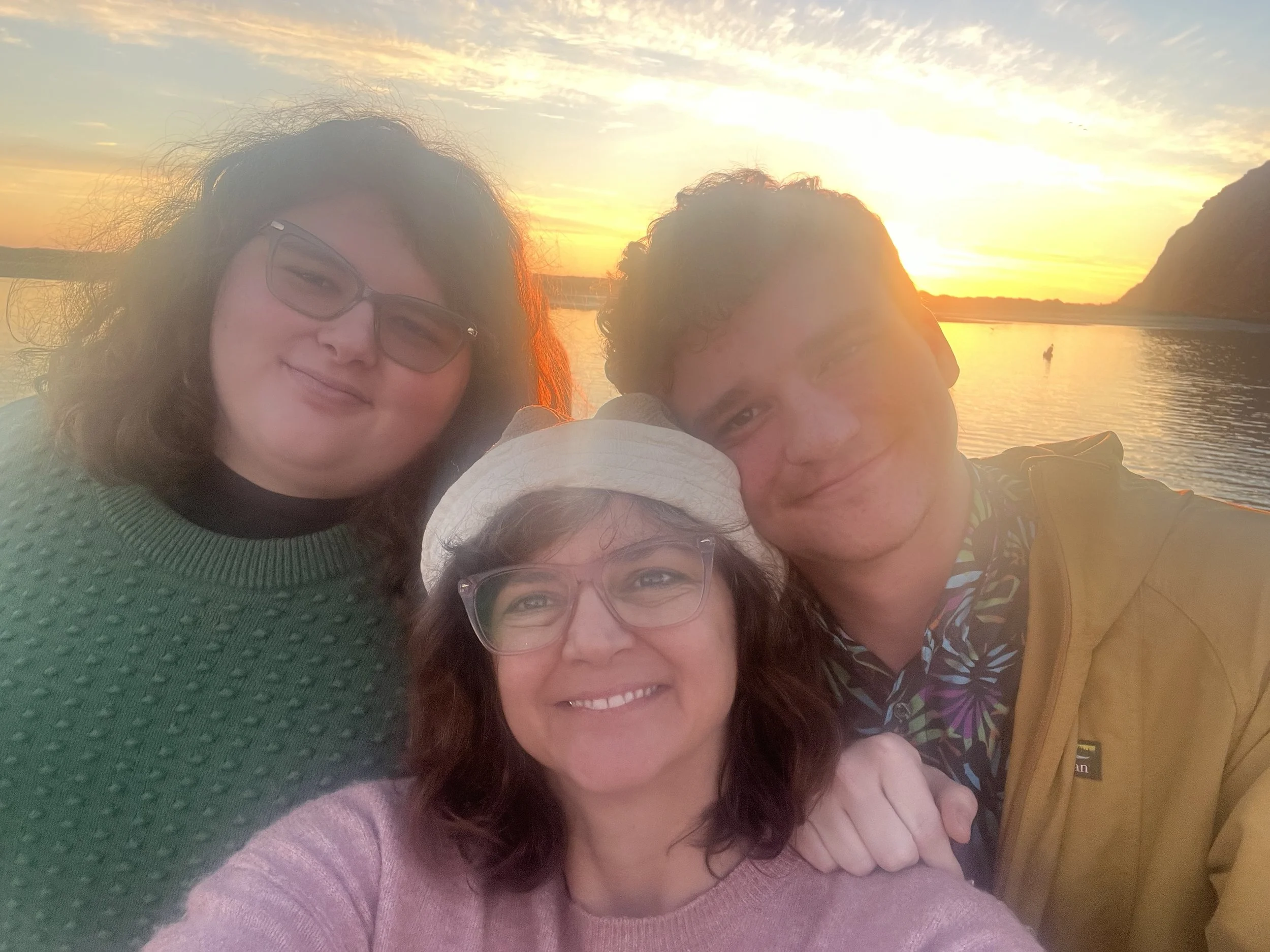
Wendy Chadwick, Ed.D.
Defined by a passion to empower each person to follow their own path with excitement and passion.
-
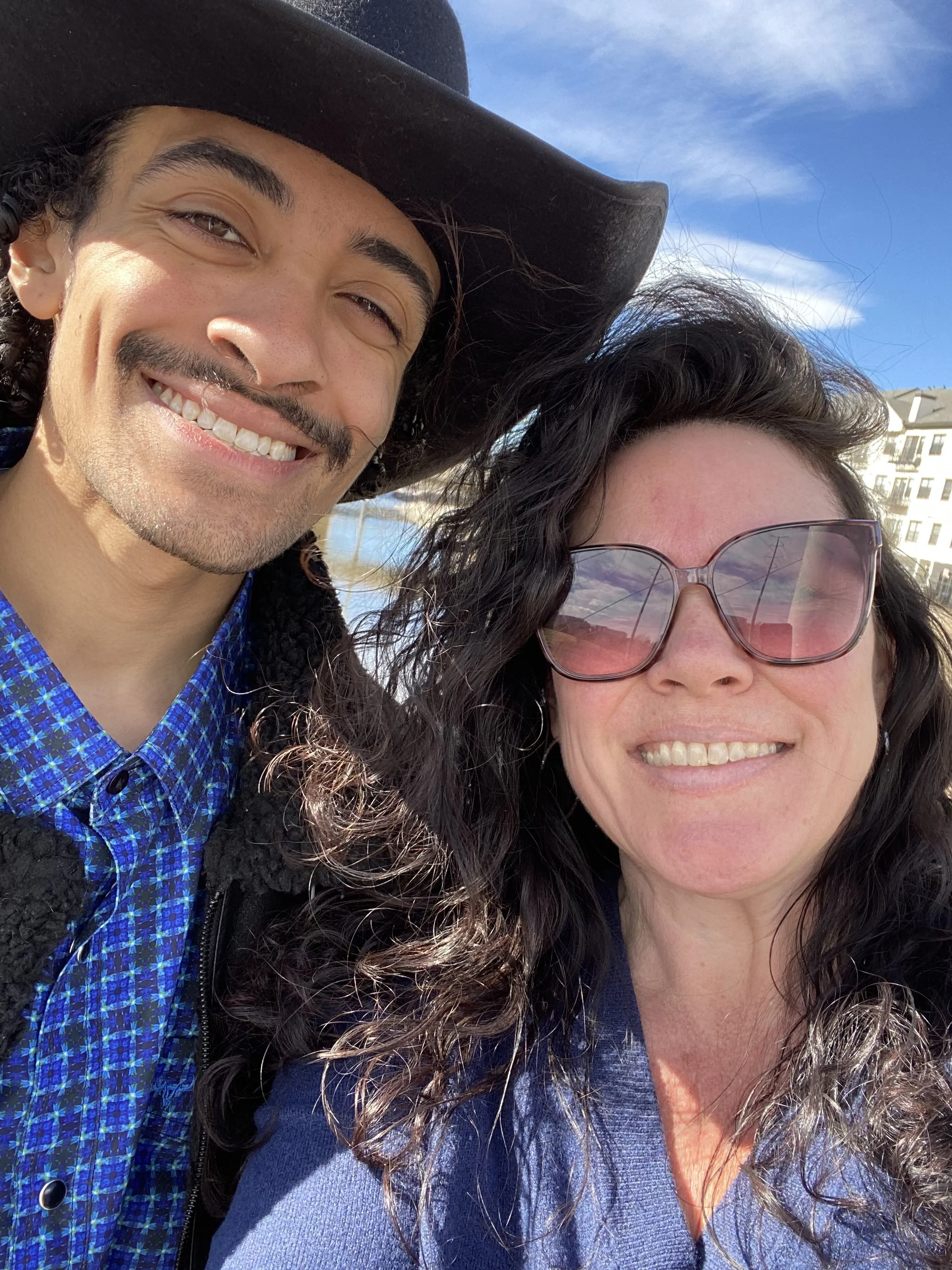
Jamie Kelly
As a reading specialist, Jamie successfully builds teams and structures that ensure all students’ reading comprehension grows.
-

Joy Lomax
Speech-language Pathologist with a passion for neuro-spicy students.
-
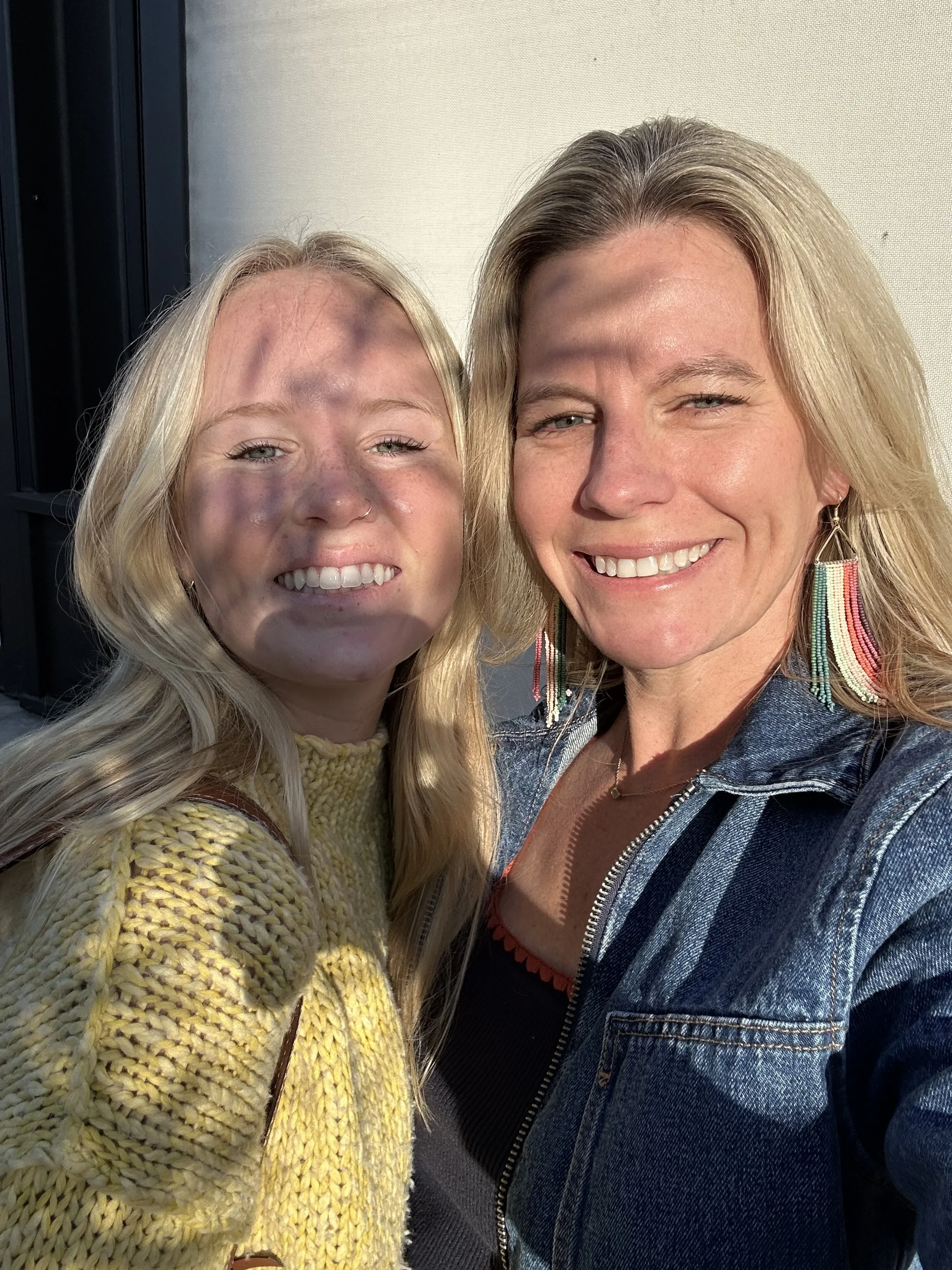
Caryn Hubbard
Parent of out of the box thinkers, advocate, and career financial guru.