
No longer stuck!
Use of technology
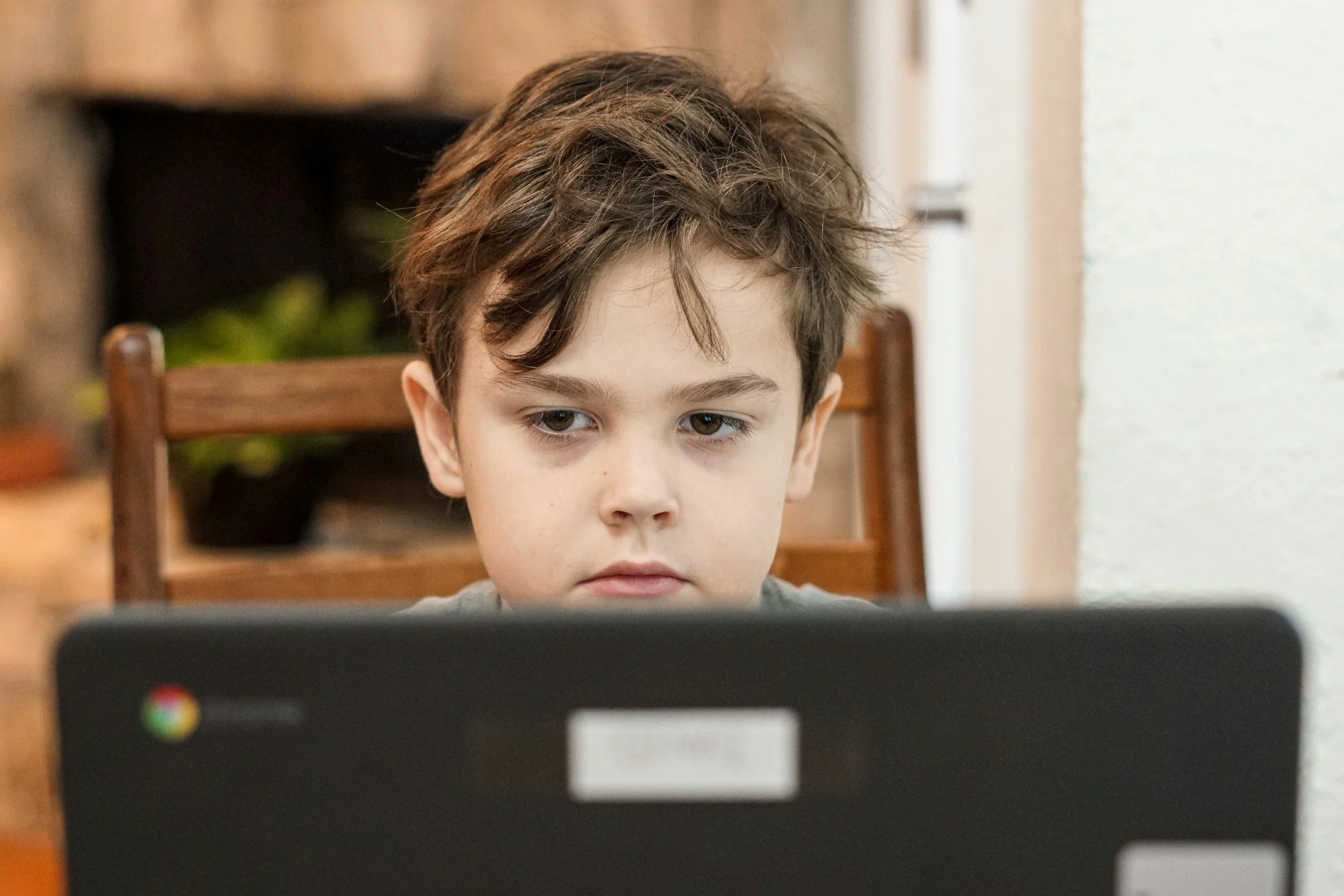
A recent article shows the connection between overuse of computers in classrooms and falling reading and math scores.
In the Forbes article, American Schools Werent’ Broken until Silicon Valley Used a Lie to Convince Them They Were-Now Reading and Math Scores are Plummeting by Sasha Rogelberg, the roots of computer use is detailed starting in 2002. During COVID, when schools were closed, it was a way to stay connected to students, but results show that in fact, it was not the same as having a teacher in a classroom with students.
We built our technology policies thoughfully, as to not ignore the importance of these amazing contraptions in our lives, but to be used sparingly to focus on getting our hands dirty and our minds sharp.
OTB Thinking’s technology program by grade span:
Student privacy is paramount. With the rise of environmental data collection, AI programs without safety nets, and few safeguards on the internet, OTB Thinking provides the following guidelines by grade level.
K-2
Little to no use of technology, so students focus on pen(cil) to paper skills. Testing online will be avoided whenever possible. All assignments will be handwritten except in cases for students who use an alternate communication device. Adaptive technology will support students in a variety of ways: audiobooks, assistive communication devices, and hearing assistive tech as needed.
Teachers will use technology to support learning (use of presentation slide decks, educational videos, brain breaks, and at the teacher's discretion).
State requirements (what is hardware, software, and passwords) will be achieved through classroom discussion.
3-5
Students will be ethically introduced to technology, paying special attention to staying safe online and the use of specific websites approved by teachers, administrators, and parents. The school will provide computers to students while at school, but each computer will be used by several students. Most assignments will be handwritten except in cases for students who use an alternate communication device. Adaptive technology will support students in a variety of ways: audiobooks, text-to-speech, assistive communication devices, speech-to-text, and hearing assistive tech as needed.
Teachers will use technology to support learning. Testing online will be avoided whenever possible. Explicit instruction in reliability and trustworthiness of websites, applications, and usage agreements.
State requirements (wired and wireless computing systems) will be achieved through classroom discussion. Embedded Common Core standards will be incorporated as required.
6-8
Students will access websites and research programs with teacher direction. Students will be given a variety of methods to produce work, including using a computer. The school will provide computers to students while at school. Many assignments will be handwritten except in cases for students who use an alternate communication device. Adaptive technology will support students in a variety of ways: audiobooks, text-to-speech, assistive communication devices, speech-to-text, and hearing assistive tech as needed.
Teachers will use technology to support learning. Testing online will be avoided whenever possible. Explicit instruction in the reliability and trustworthiness of websites, applications, and usage agreements.
State requirements (compare how using computers or no computers affect humans and systems) will be achieved through classroom discussion. Embedded Common Core standards will be incorporated as required.
